A roof can appear complete from ground level and still contain defects that allow water to enter or leave parts of the structure vulnerable. Missing tiles are one of the clearest signs of damage, but they are far from the only problem that can affect a pitched roof.
For homeowners in Market Harborough, Leicestershire, recognising less obvious signs of roof damage is important. An early inspection can identify weaknesses before they develop into persistent leaks or affect concealed roofing materials.
How Roof Damage Can Develop Without Missing Tiles
Tiles and slates form the visible covering, but a roof also relies on fixings, battens, underlay, flashing, valleys, ridges and other junctions. A fault in any of these components can reduce the roof’s performance even when every tile appears to remain in place.
Tiles Can Be Cracked Rather Than Missing
A tile does not need to fall from the roof to become ineffective. Hairline cracks, broken corners and surface deterioration can allow rainwater beneath the covering.
Some cracks remain difficult to see from the ground, particularly when they follow the tile’s profile or are hidden beneath an overlap. Water may only penetrate during prolonged or wind-driven rain, making the problem appear intermittent.
A Tile May Have Moved Slightly
Tiles can slip or lift without becoming completely detached. Even a small movement may reduce the overlap that helps direct rainwater down the roof.
From a distance, the covering may still look intact. Closer inspection might reveal an uneven tile line, a widened joint or a tile sitting slightly higher than those around it. These changes can leave the underlay exposed to more moisture than intended.
Fixings Can Weaken Beneath the Surface
Roof tiles may remain in position even when nails, clips or battens have deteriorated. Corroded fixings and weakened battens can reduce the security of the covering, leaving tiles more likely to move during future strong winds.
This type of damage is largely concealed. It may first become apparent through repeated tile movement, uneven sections of the roof or visible deterioration within the roof space.
Flashing Can Fail Around Roof Junctions
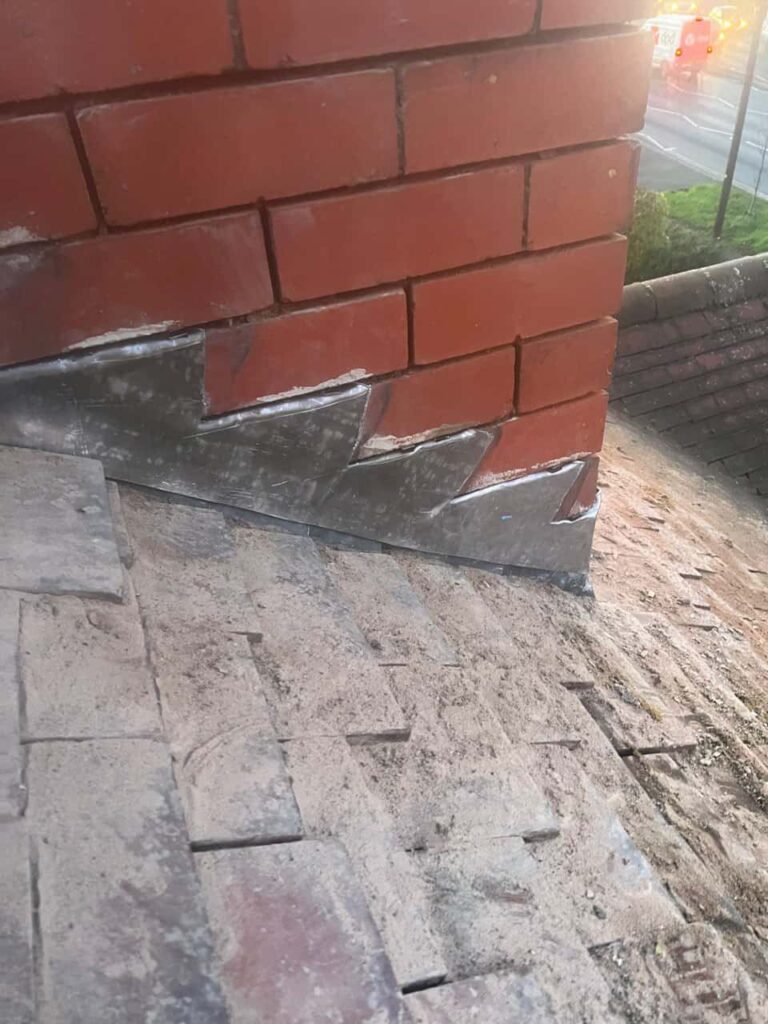
Lead flashing helps prevent water from entering where the roof meets a chimney, adjoining wall or another structural junction. It can crack, lift, split or pull away while the surrounding tiles remain undamaged.
Faulty flashing is a common reason for leaks that occur only during rain from a particular direction. Water entering at a junction may travel beneath the covering before appearing indoors, so the damp patch may not sit directly below the defect.
Ridges, Verges and Mortar Can Deteriorate
Ridge tiles and roof edges are exposed to wind and changing weather conditions. Cracked or loose mortar can create openings even when the tiles themselves remain present.
Small gaps may allow water to reach the bedding materials or surrounding roof components. Loose ridge or verge sections can also become less stable over time, especially if deterioration is already established.
Valleys Can Develop Hidden Defects
Roof valleys carry concentrated volumes of rainwater from adjoining slopes. Cracks, corrosion, displaced materials or accumulated debris can interrupt this flow and direct moisture beneath nearby tiles.
Because valley defects can be narrow or partly covered, they are not always visible from outside the property. Persistent dampness beneath a roof junction may therefore require the valley and its surrounding materials to be examined carefully.
Underlay Can Tear or Deteriorate
The underlay beneath the roof covering provides secondary protection against moisture. Age, movement and previous damage can leave it brittle, torn or punctured.
A sound tile covering may continue to shed most rainfall, masking the problem for a time. If moisture passes through a small gap or displaced tile, however, damaged underlay may no longer prevent it from reaching the battens, insulation or roof timbers.
Storms Can Loosen a Roof Without Removing Materials
Strong winds can create uplift forces that disturb tiles, ridge components and flashing. Everything may still appear to be present after the weather clears, but fixings or overlaps could have been weakened.
Warning signs following severe weather can include:
- Tiles that appear raised or misaligned
- Fresh mortar fragments around the property
- Rattling sounds from the roof
- Damp marks within the loft
- Water staining that appears after later rainfall
- Debris collecting in gutters or on lower roof sections
These signs justify a closer assessment even if there is no obvious gap in the covering.
Internal Clues Should Not Be Ignored
Some concealed roof problems are first identified from inside the property. Damp marks, musty odours, discoloured timbers or moisture on insulation can indicate water entry.
Natural light visible through the roof covering may reveal an opening, but the absence of daylight does not confirm that the roof is watertight. Small defects can admit rain without creating a clearly visible hole.
Why a Professional Inspection Is Important
Roof leaks can be difficult to trace because water often travels away from its entry point. Repairing the area directly above an internal stain may therefore fail to address the actual cause.
A professional inspection considers the roof covering, vulnerable junctions, drainage routes and accessible internal areas together. This broader approach helps distinguish between an isolated defect and a problem affecting several parts of the roofing system.
Conclusion
A roof can be damaged even when no tiles are missing. Cracked or displaced tiles, weakened fixings, defective flashing, deteriorated mortar, damaged valleys and failing underlay can all reduce its ability to keep water out.
Market Harborough Roofing Repairs provides professional roof inspections and repairs in Market Harborough, Leicestershire. If you have noticed dampness, movement or another unexplained roofing concern, contact us to arrange an assessment and identify the most appropriate repair.
Call us on: 01455 242 599
Click here to find out more about Lutterworth Roofing Repairs
Click here to complete our contact form and see how we can help with your roofing needs.